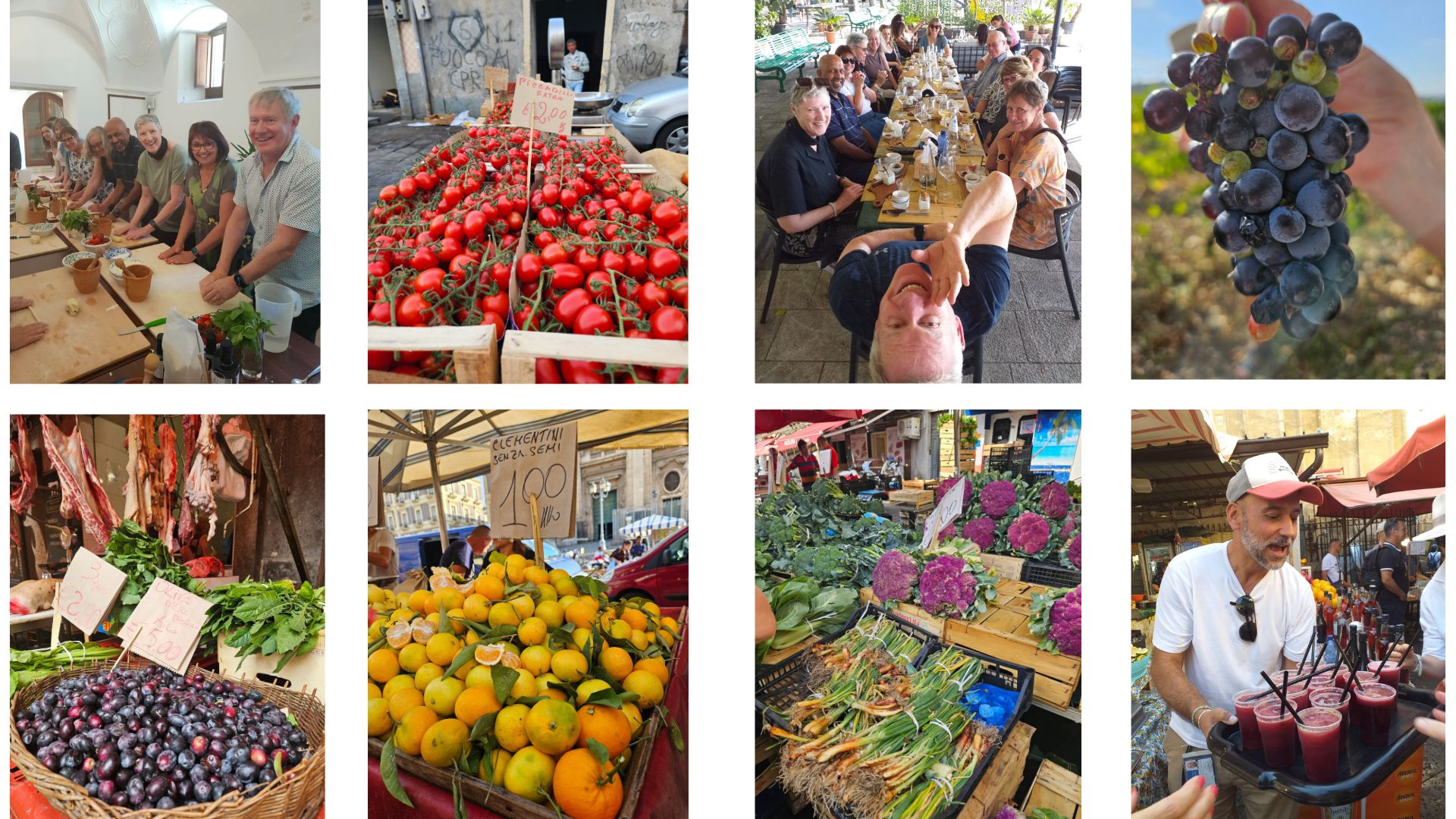
What better way to discover the history and culture of a place than through their food. The food of Sicily reflects its unique climate and geography as well as its history and uniqueness from mainland Italy. Here are a few highlights and some of the wonderful food we experience on our Taste of Sicily Tour.
Prickly Pear
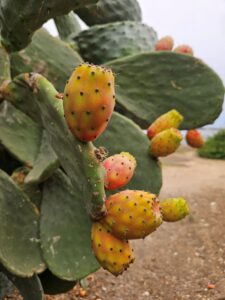
Sicily’s symbolic fruit, often portrayed in the local ceramics and artwork. The Prickly Pear was brought to Sicily in the 15th Century from South American and thrived on the slopes of Mount Etna.
I think the prickly pear is much like the feijoa in NZ. While nothing like each other when it comes to taste or appearance they share similar origins. Just as there are feijoa trees everywhere in NZ the prickly pear can be seen growing wild all over Sicily or planted as a forbidding fence. And like the feijoa the prickly pear is not to everyone’s taste, especially for those that did not grow up with it.
Prickly pears are not all equal and there are in fact three varieties, which are distinguished by their colour. The Sulfarina, the most widespread and least sought after, with its characteristic yellow-orange pulp and slightly floury consistency; the Muscaredda with its white pulp is a sweeter and crunchier variety; and, finally, the Sanguigna, distinguished by its red-violet pulp, is juicy and very sweet.
Besides the variety, a quality distinction must be made between the first bloom, which takes place between May and June, and the more favoured bastardoni, which are the prickly pears that grow from the second bloom, from the end of September to November, are bigger, firmer and have a few less seeds in the pulp.
Once the tricky job of peeling the pear has occurred the colour, which can be deep yellow, pure white, or a stunning crimson will be revealed. The fruit has a slight floral fragrance reminiscent of citrus, and a very mild flavor, like a pear with an identity crisis. The juicy pulp is punctuated by an enormous number of seeds that Sicilians simply swallow.
In Mexico You will find Prickly pear liquor and the leaves of the catus used in a salad, in Sicily it’s just the fruit that is eaten.
In Italian, prickly pears are called ‘figs of India‘ as Christopher Columbus believed he had discovered the Indies rather than Central America.
Once you have tried Prickly Pear in Sicily come with us and enjoy it in Mexico on our Taste of Mexico Tour.
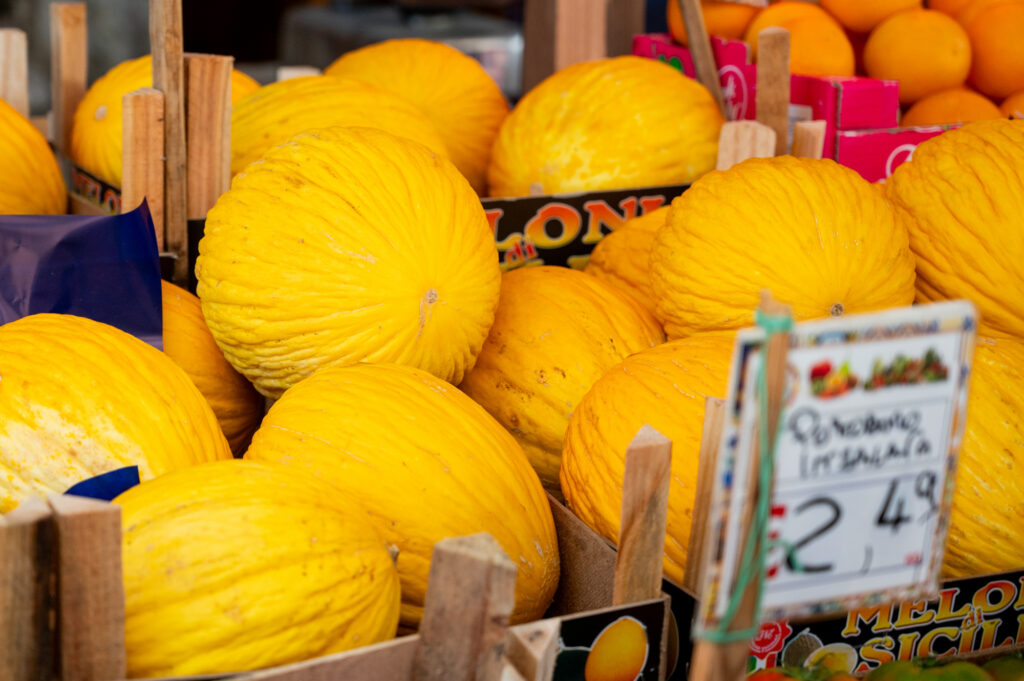
Cartucciaru yellow melon
also known as Canary Melon or Winter Melon. I first discovered this melon on the hotel breakfast buffet. I had picked up a piece of the seemingly dull white flesh melon along with a piece of watermelon, (to balance out the pistachio filled croissant and espresso that was my real breakfast) but one bite and I realised this was no ordinary melon and went back for more, quickly forgetting the tasteless watermelon.
With its vibrant yellow skin, it can make areas of Trapani, in Western Sicily appear to turn yellow from June onwards, as this ancient melon ripens in the field. It was actually rediscovered – having disappeared for a long time due to poor profitability – thanks to the work of a group of farmers in the area who tried growing it again using ancient seeds.
It is only produced in specific soils and does not require irrigation or the use of fertilisers perfect for drought riddled Sicily.
Seek it out in the markets at road side stalls and even at your hotel breakfast buffet.
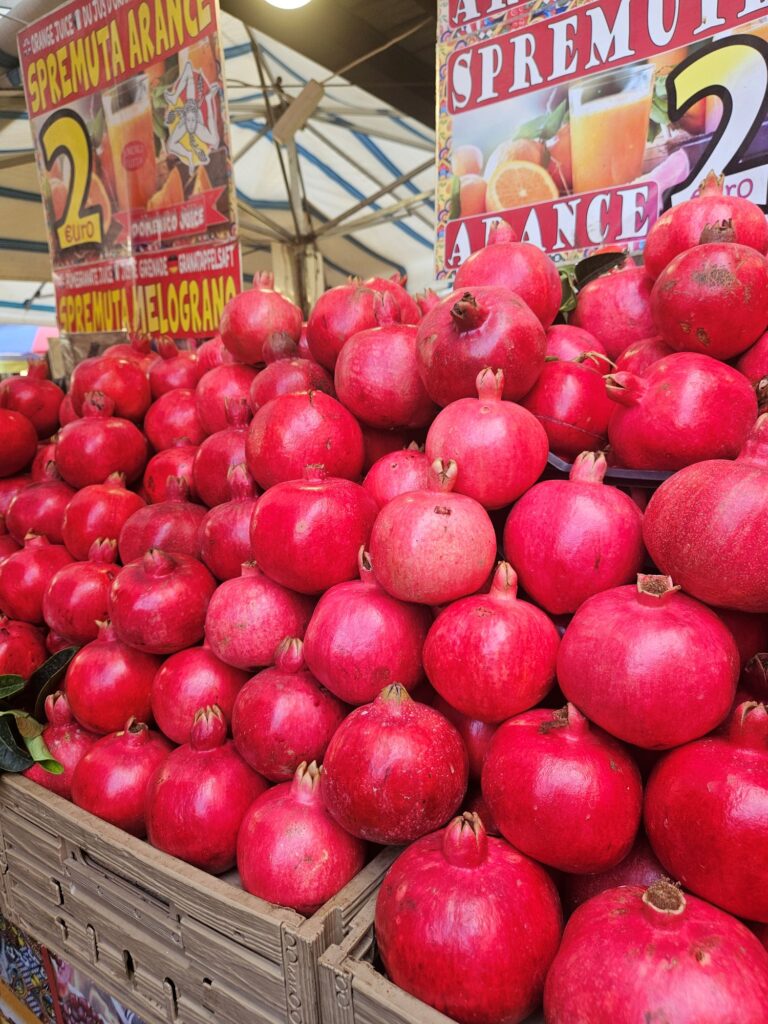
Pomegranate
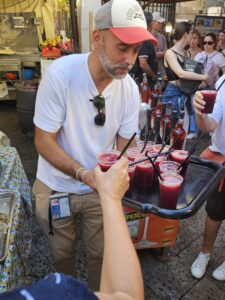
Brought to Sicily by the Phoenicians Sicily grows some of the best Pomegranates in the world with the hot dry conditions perfect for this ancient fruit.But forget peeling it and eating in a salad, in Sicily the best way to enjoy Pomegranate is on a hit day at the market, freshly squeezed before your eyes by an ingenious juicer.
Eggplant
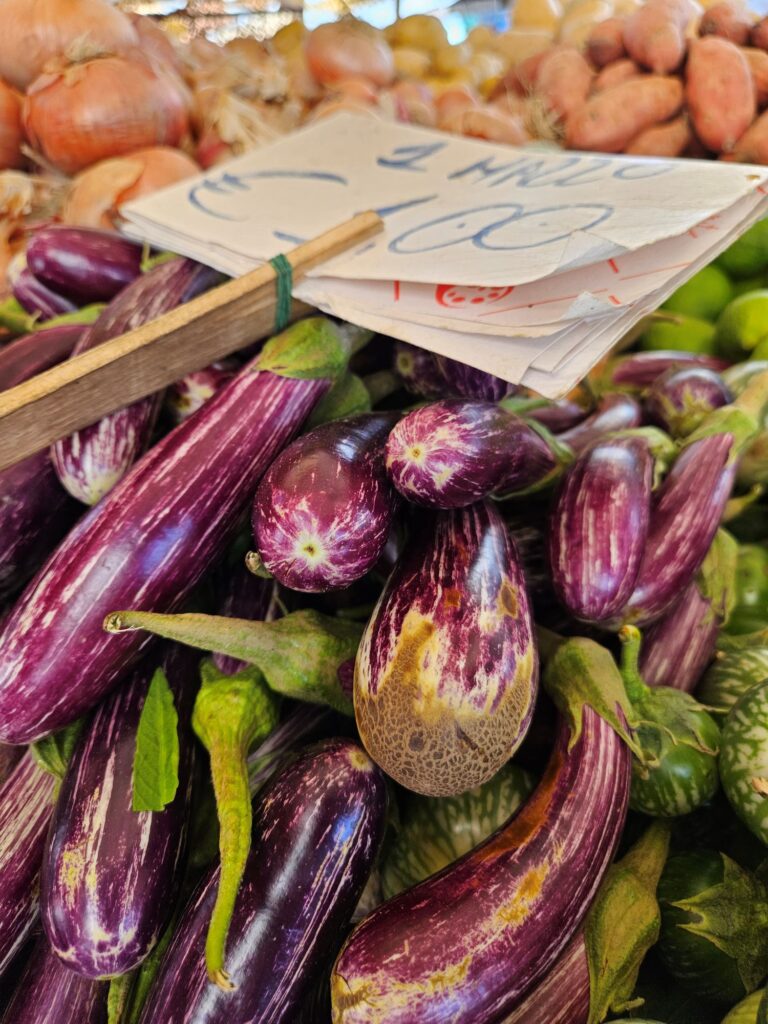
If there’s one vegetable that you are bound to see a lot of whilst in Sicily it is eggplant. Originally introduced into Sicily by the Arabs, eggplants are found in many different local specialties, most famously as an essential ingredient of caponata, pasta alla Norma and parmigiana.
Pistachios
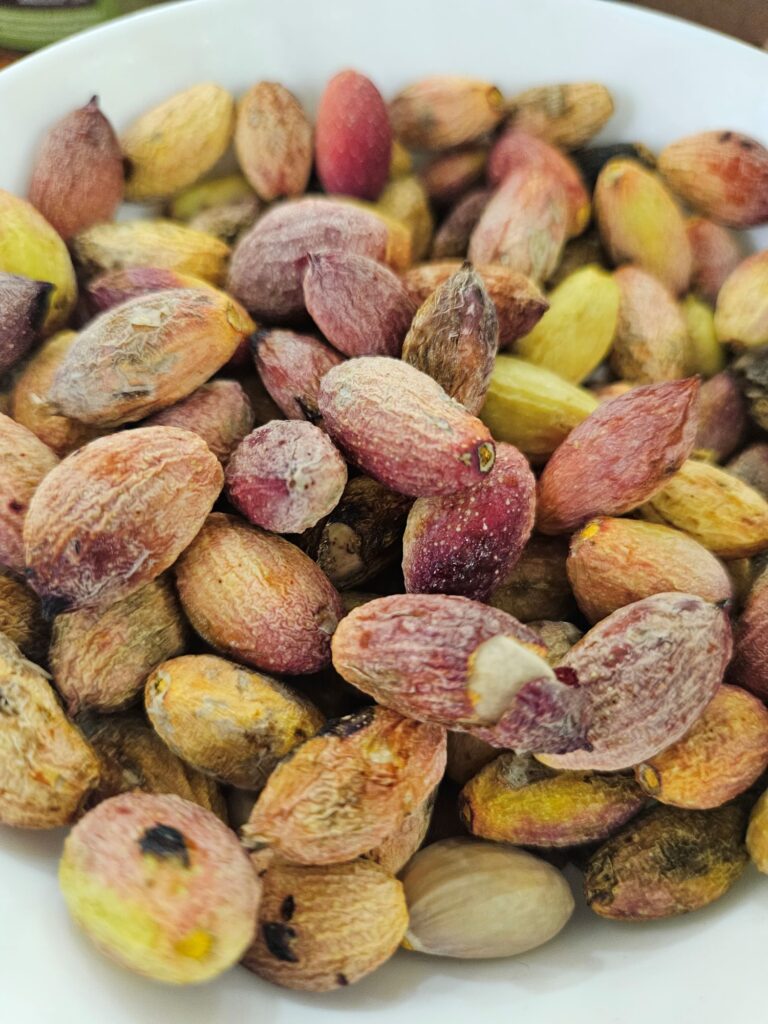
Pistachios from Sicily, particularly Pistacchio Verde di Bronte DOP, are considered some of the finest in the world, known for their vibrant emerald-green colour, rich, sweet, and earthy flavours, and higher oil content. Grown in the unique, volcanic soil near Mount Etna, these pistachios are cultivated using traditional methods and a biennial harvest cycle, where trees are left to rest every other year. This meticulous process, combined with the ideal climate and soil, results in a precious product, often called “green gold,” and highly valued in both culinary and baking industries.
Gambero Rosso
Being an island means fish and seafood is obviously integral to the Sicilian diet, and Italy’s famous gambero rosso (red prawns) are caught by the local fishermen. Those from Mazara del Vallo on the western coast of the island are regarded as the best in the world, being sent to the very best Michelin-starred restaurants throughout Italy. When they’re at their freshest, however, there’s no need to do anything to them at all – locals know they taste best when simply dressed in a little local lemon juice and olive oil and eaten raw, a real treat for any foodie visiting Sicily.
Busiate alla Trapanese
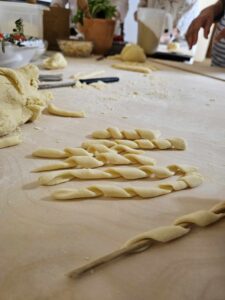
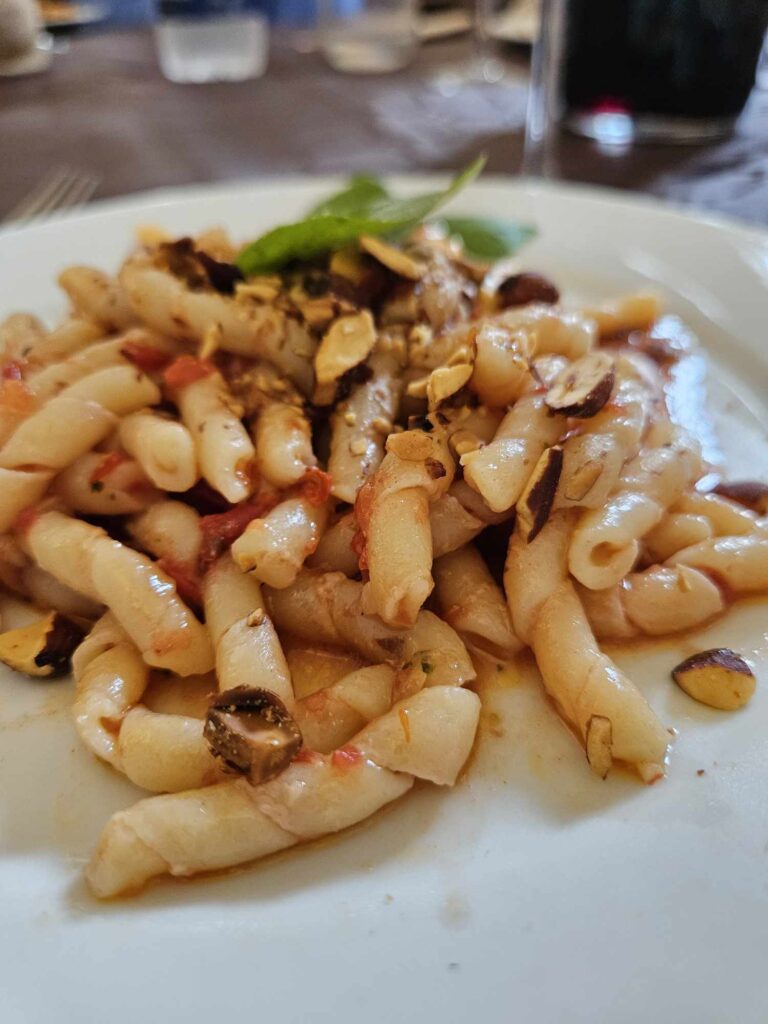
Most commonly seen in Trapani, where cooks will bash together almonds, tomatoes, basil, garlic and Pecorino cheese in a pestle and mortar to create a pesto-like sauce. It is traditionally served with busiate, a local pasta shape which is similar to fusilli and looks a little like a telephone cord. On our Taste of Sicily tour we spend a morning in Erice perfecting the rolling of busiate pasta and pounding together pesto al Trapanese.
Couscous
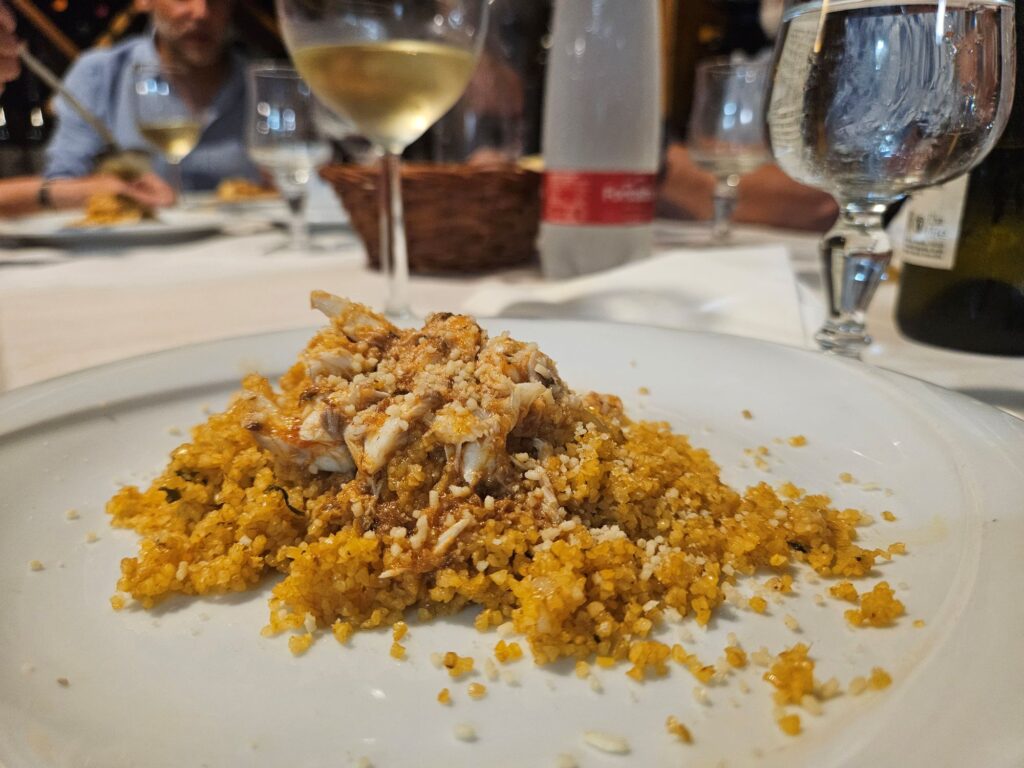
Sicilian couscous, known as couscous alla trapanese, is a flavourful seafood dish with North African roots that has become a regional specialty of western Sicily.Most strongly associated with the port city of Trapani, where an annual international festival, the Couscous Fest, celebrates it. Trapani is also where we enjoy it on our Taste of Sicily tour.Unlike the Moroccan versions you may associate couscous with the Sicilian version has a rich, saffron-infused fish broth and a combination of fresh fish and shellfish.
Pasta alla Norma
In Catania you’ll find one of the island’s most famous pasta dishes served with gusto. Pasta alla Norma is arguably the best representation of Sicilian cuisine as it makes the most of local tomatoes, eggplants, garlic, basil and salted ricotta. It’s called Norma after the nineteenth century opera of the same name – both the dish and the music are regarded as true masterpieces.
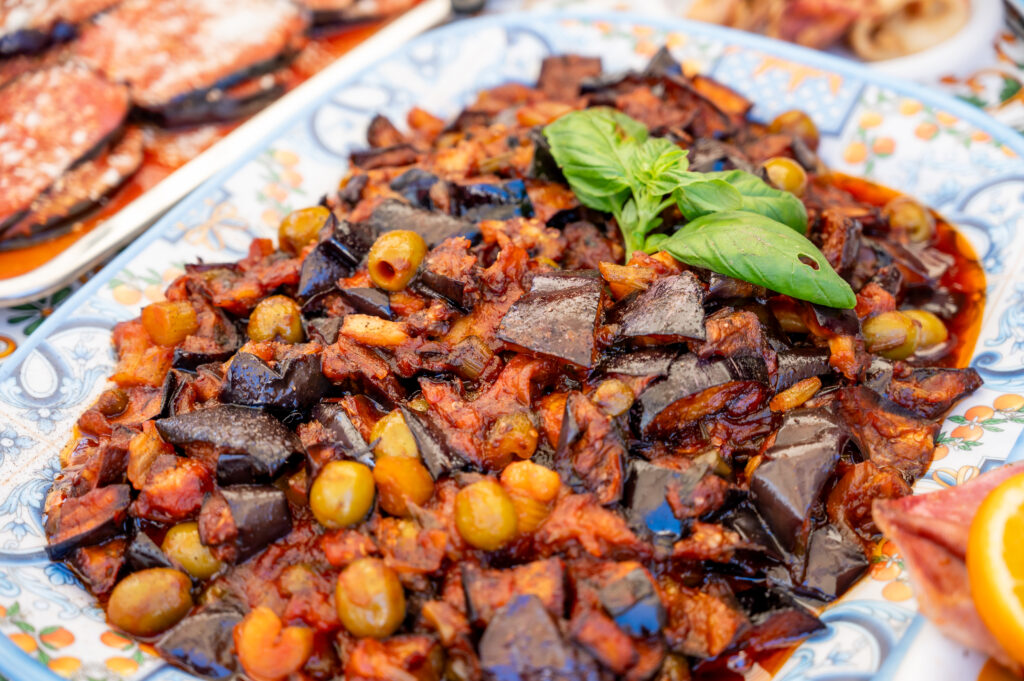
Caponata
This traditional sweet and sour dish is served at almost every meal. Served warm, cold, or at room temperature, it is a versatile appetizer or side dish that is a cornerstone of Sicilian cuisine.
The name caponata likely originates from capone, the Sicilian name for the prized fish mahi-mahi. In the 18th century, aristocrats ate this fish with a sweet and sour sauce.
As the aristocracy’s dish was expensive, the common people replaced the fish with cheaper and more readily available eggplants, creating the vegetable-based dish known today.
Always made with eggplant more often than not, fried), along with other vegetables like celery, onions, and tomatoes. Click here for my recipe for caponata.
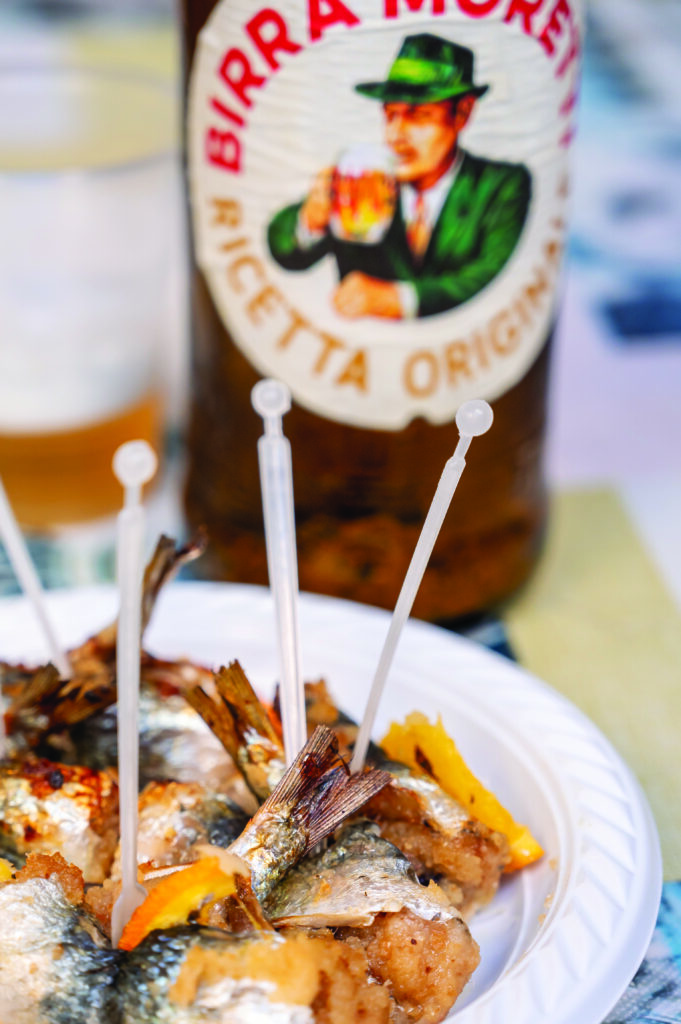
Sarde a beccafico
Sicily is famous for its sardines, with big, fat specimens caught off its shores every day. They’re prepared in all sorts of ways, but one of the most popular is a beccafico, which sees them stuffed with pine nuts, raisins and breadcrumbs before being baked.
Like the sweet and sour flavours of caponata the use of raisins in Sicilian dishes comes from when the Moors ruled.
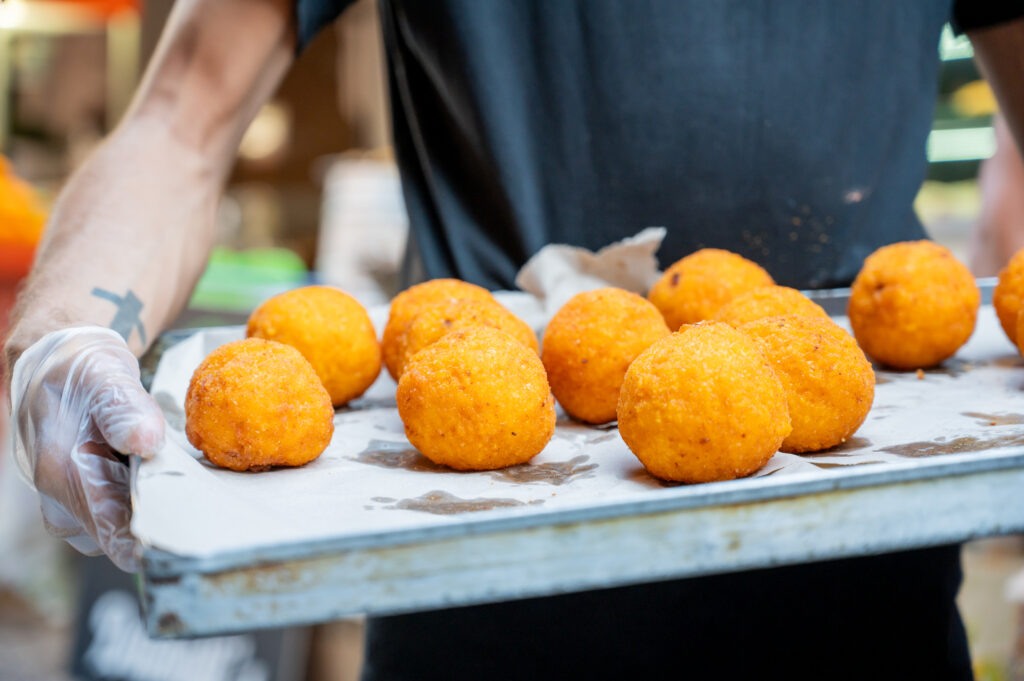
Arancini
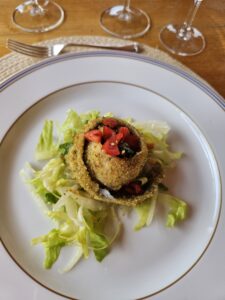
This iconic Sicilian dish is a must try when on the island. Risotto, deep fried and, depending on where you are, the stuffing, shape and even spelling of arancini will differ.
In Palermo they are round and called Arancina, like and orange. Come with us on our Taste of Sicily tour and taste the best Arancina in the markets of Palermo.
In Catania they are shaped like a cone, or volcano more specifically Mt Etna) and called Arancini.
Often piled high in shop windows, they’re the perfect snack whilst you stroll along the streets of the island’s many towns and cities but my tip is get them freshly fried.
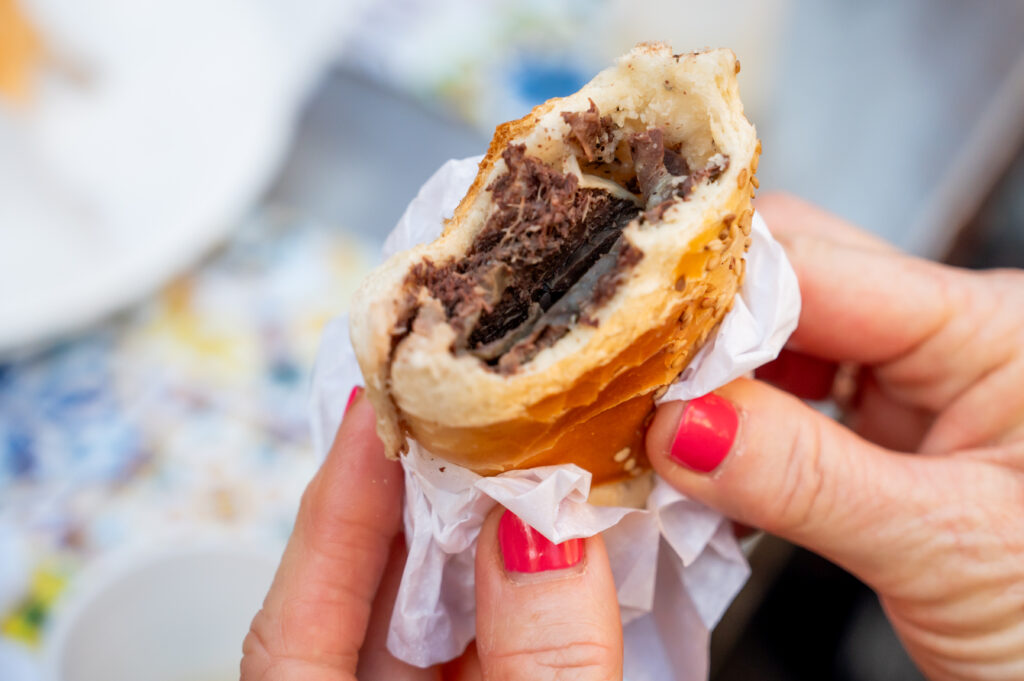
Pani c’a meusa
Bread with spleen. A soft sesame bun, or cimmino , stuffed with calf spleen, lung and sometimes trachea, first boiled or steamed, then fried in sugna, or lard.
And that is exactly the scent you will smell as you stroll through the old town and through the city markets.
Legend has it that the origin of Pani c’a meusa dates back to the Middle Ages, when Jews living in Palermo worked as butchers. Since their religious beliefs did not allow them to generate a profit from slaughtering animals, instead of money they received offal as a reward. These included the spleen, lung and trachea, which they began to season in lard and consume as filling for their sandwiches.
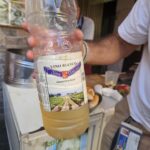
My tip – if you are brave enough to try this Palermo favourite, make sure you get some of the local wine to wash it down with!
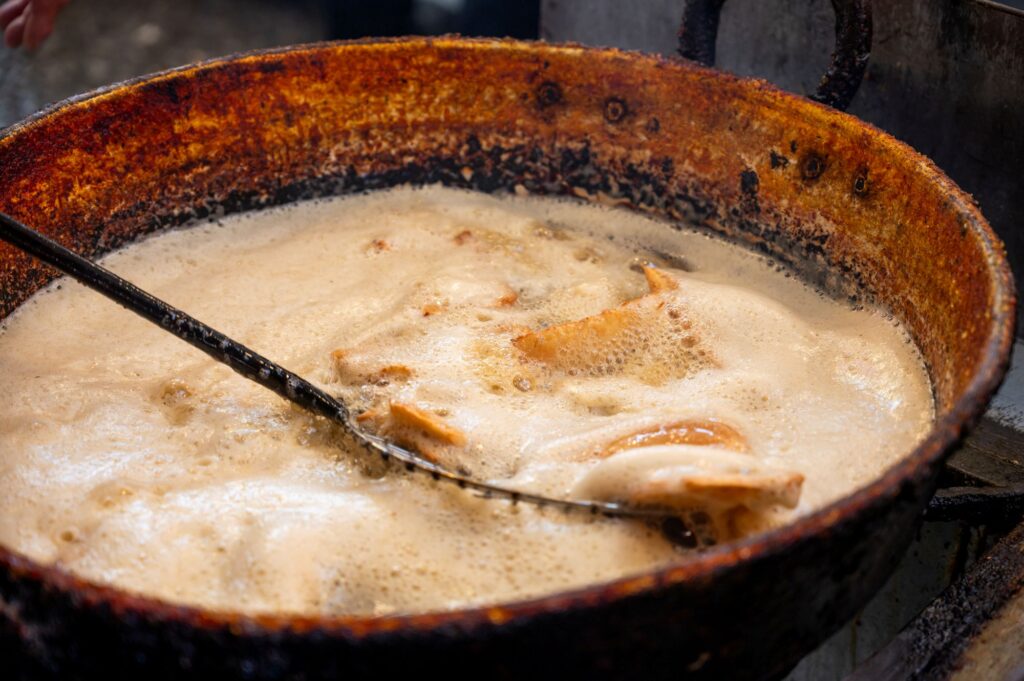
Panelle
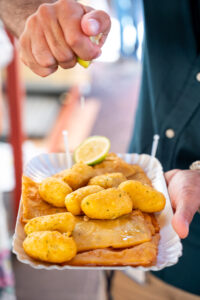
These chickpea fritters are a popular and tasty street snack, especially in the markets in Palermo, although I have also enjoyed it at some swanky places with a cocktail in Taormina!
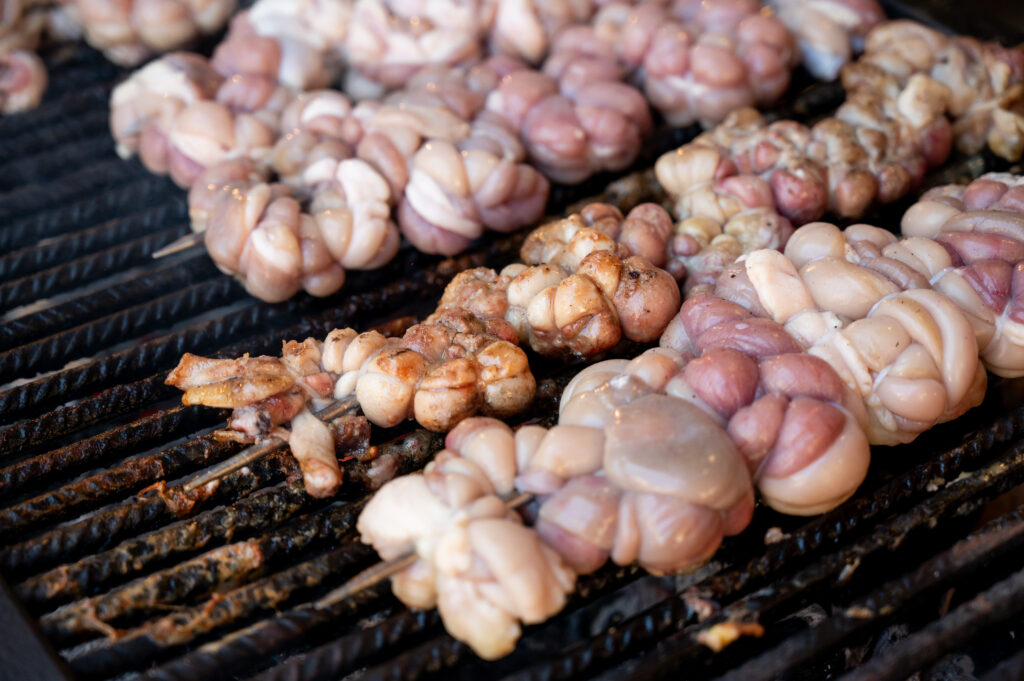
Stigghiole
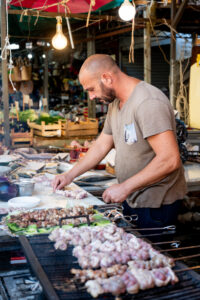
Grilled lamb, veal, or goat intestines wrapped around green spring onions and parsley. Look out for these grilling in the markets of Palermo.
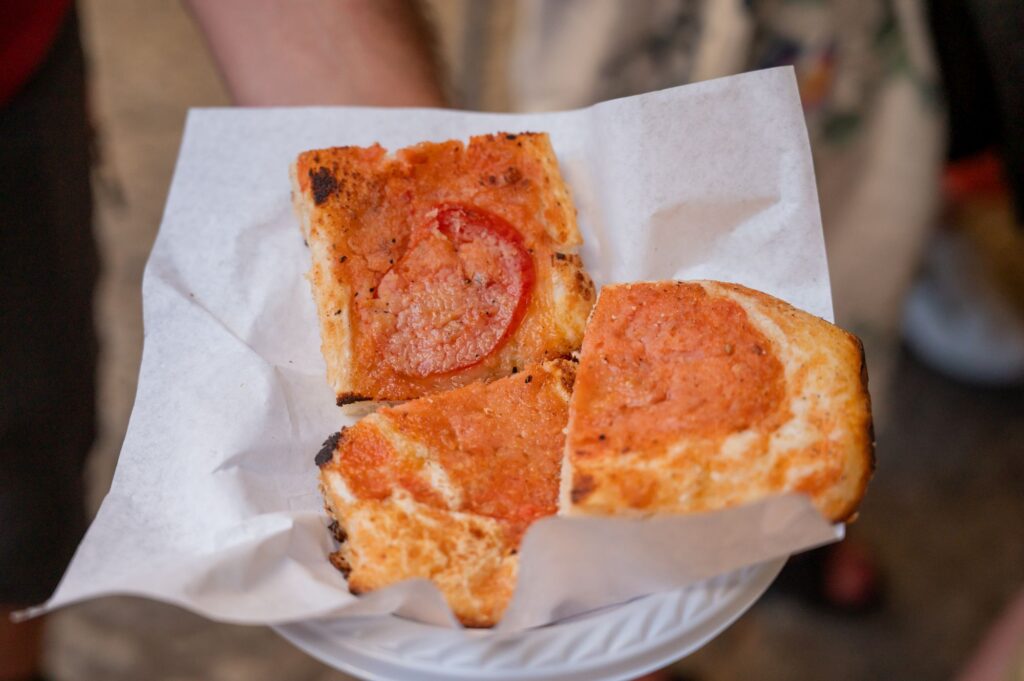
Sfincione
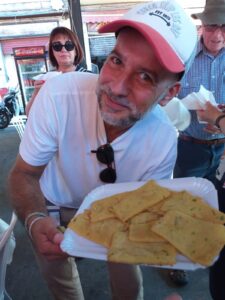
A Sicilian-style pizza, typically a thick, square slice topped with tomato sauce and cheese and another popular street food in Palermo.
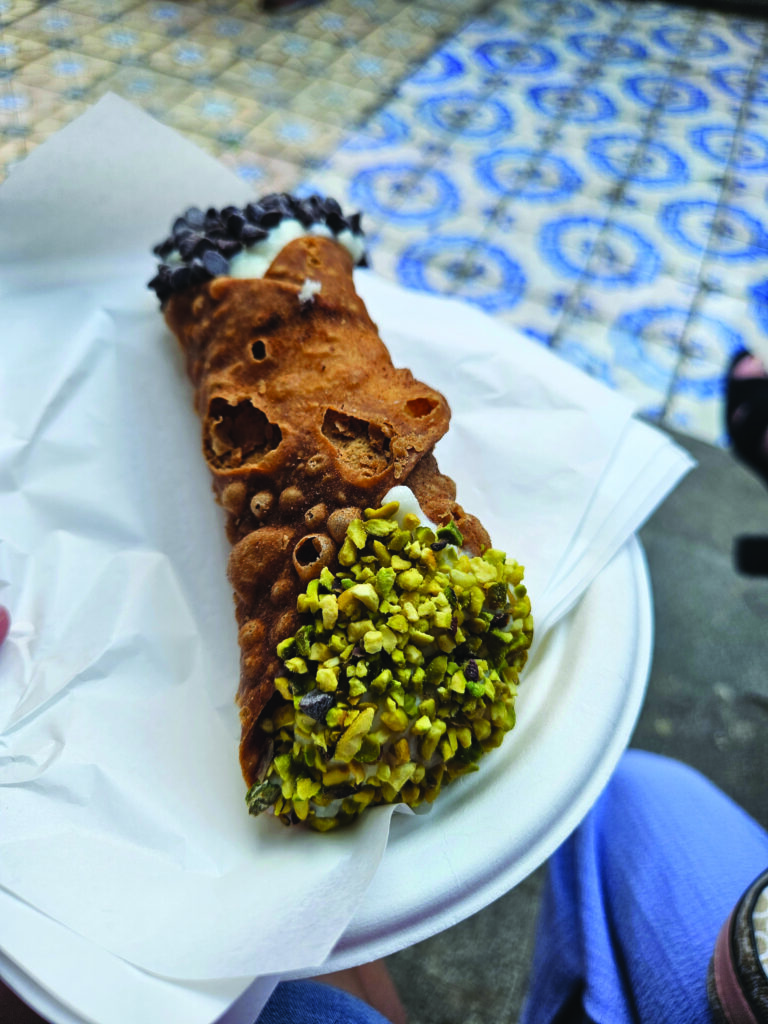
Cannoli
One of the island’s greatest exports has to be cannoli – little deep-fried pastry tubes piped full of creamy ricotta are found throughout Italy now.
Historians trace the origins of cannoli to the 9th-century Arab occupation of Sicily. The Arabs introduced sugarcane and nut-and-fruit confections, which influenced the local cuisine. The dessert may also have roots in an ancient Roman pastry described by Cicero. Local legends also talk of cloistered nuns, who ironically perfected these phallic shaped treats!
On our Taste of Sicily tour we visit the bakery of a once cloistered nunnery in Palermo to try our first cannoli in order to compare all others.
Like the Arancina, Cannoli change as you travel across Sicily. Filled with ricotta made from sheep’s milk on the west of the Island and cows milk as you near Catania.
An just as Arancina are best cooked fresh, the best cannoli are filled before your eyes.
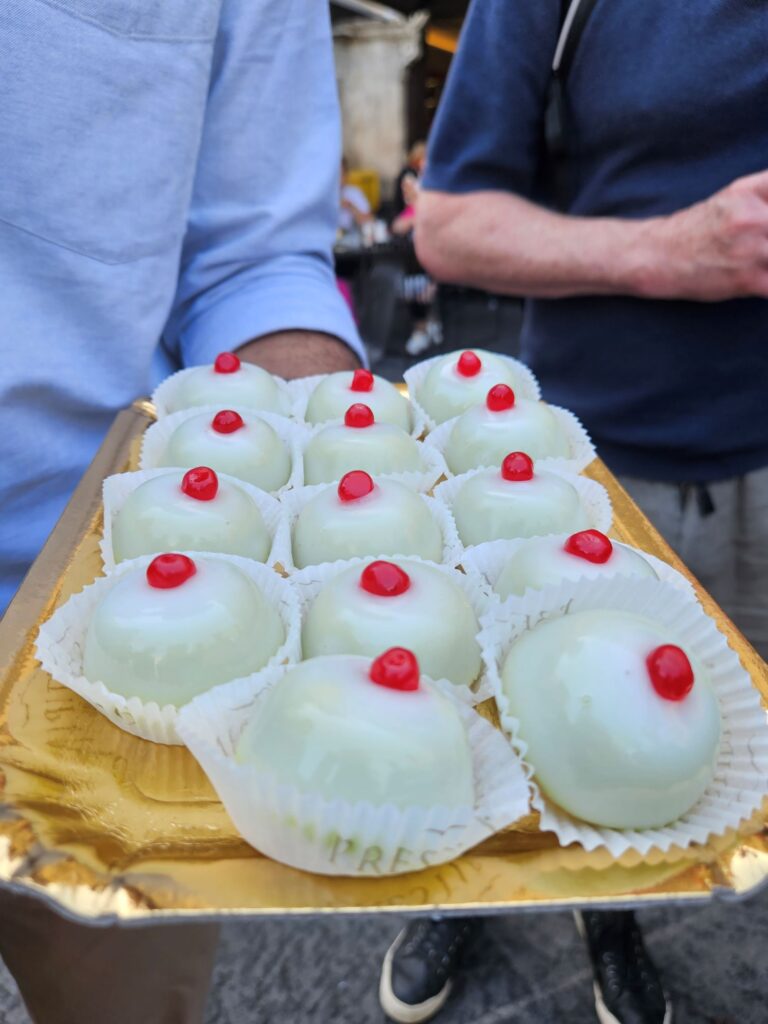
Cassata
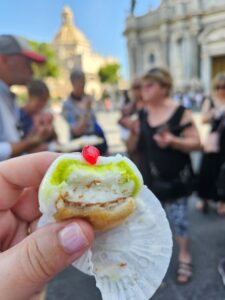
In Catania, “cassata” refers to two different, iconic desserts: the classic and ornate Cassata Siciliana, and the city’s special, breast-shaped tribute to local saint Saint Agatha, the Cassatella di Sant’Agata.
A liqueur-soaked sponge cake is filled with layers of sweetened ricotta cheese (often with chocolate chips and candied fruit), and a shell of pistachio-tinted marzipan.
In Catania, you can try both types of cassata at several renowned pastry shops:
- Pasticceria Savia – A historical institution in Catania since the late 1800s.
- Pasticceria Verona & Bonvegna – A highly-rated, long-standing bakery famous for its traditional pastries and desserts.
- Bar Pasticceria Spinella -Known for its traditional Sicilian sweets, located on the vibrant Via Etnea
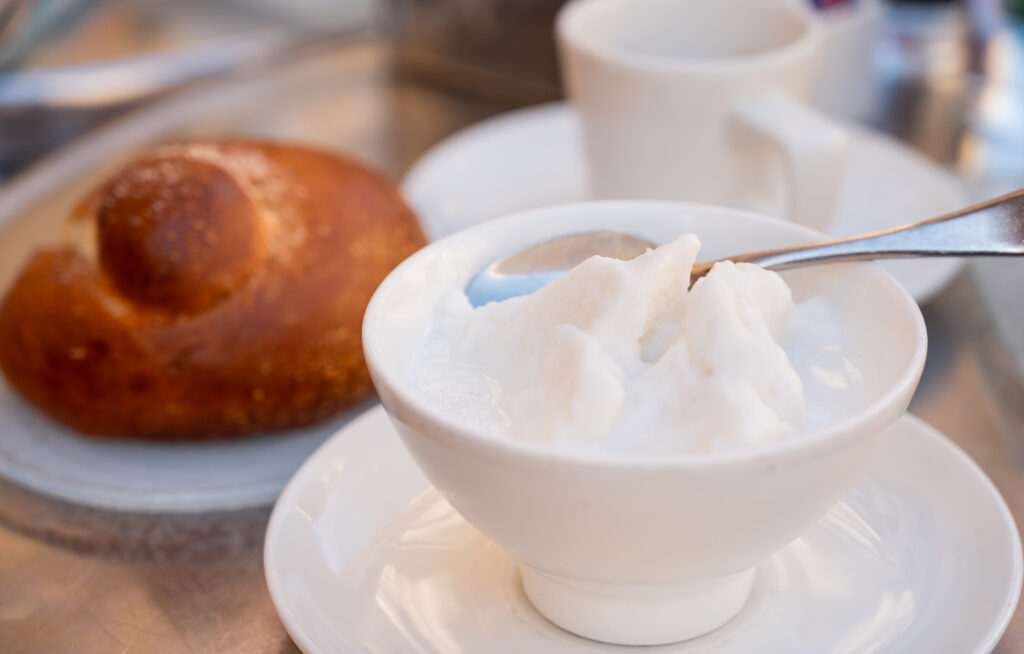
Granita con brioche
In Sicily, breakfast is almost always a fresh, warm brioche bun with a bowl of frozen granita, flavoured with fruit or coffee. It’s especially welcome in the baking heat of summer, and you’ll often see cafés full of people enjoying this wonderful combination before getting ready for the day ahead.
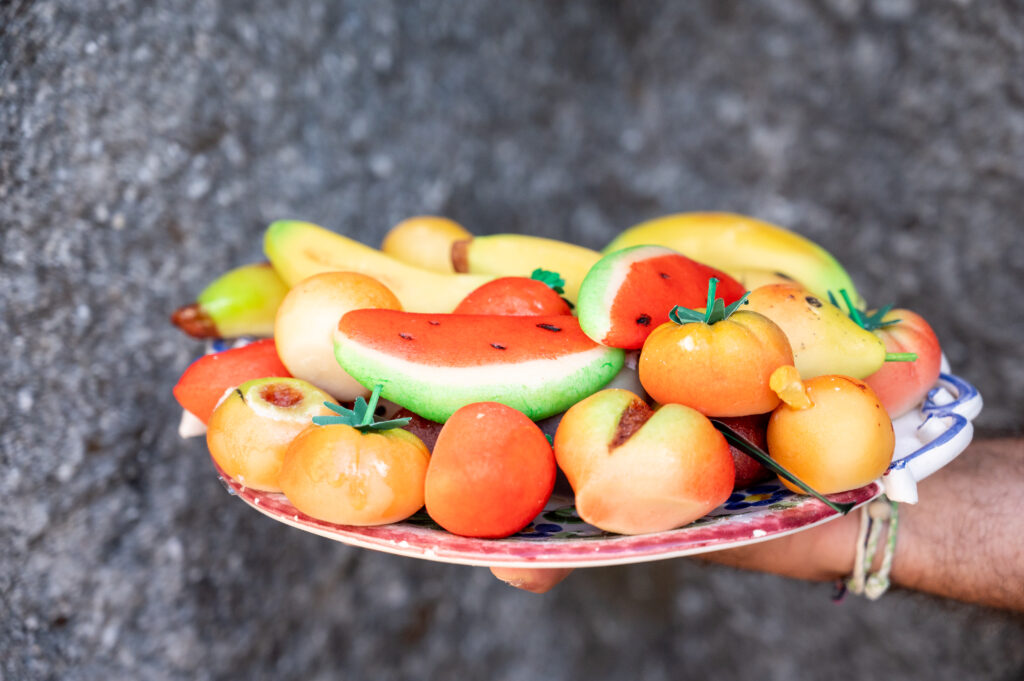
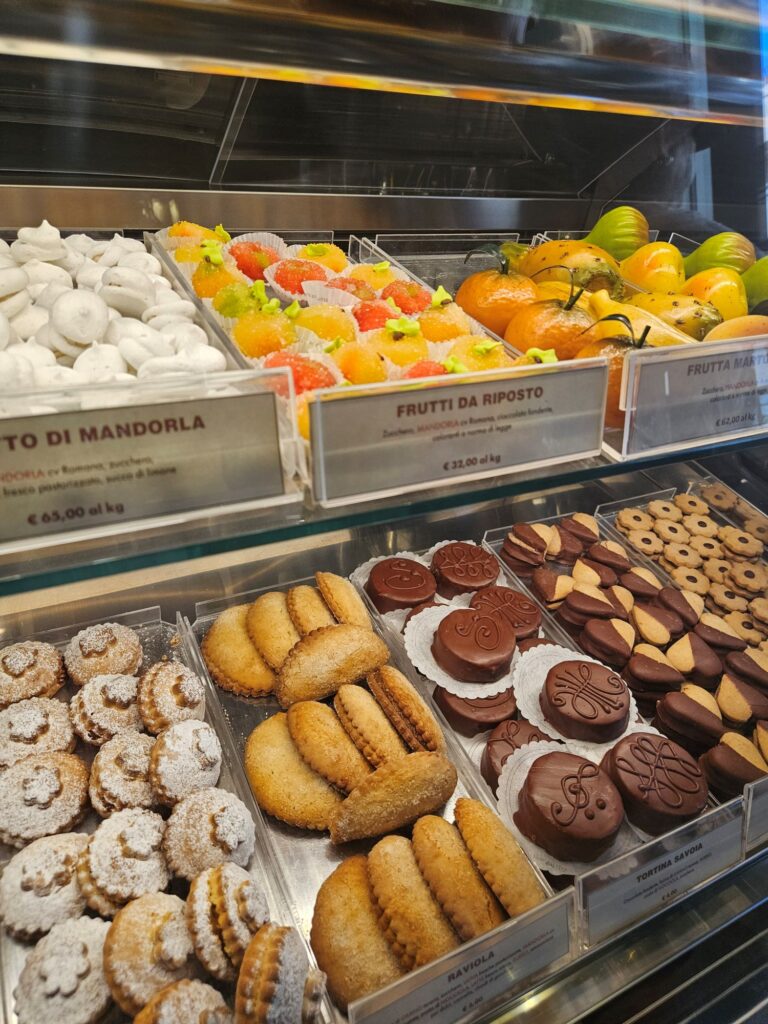
Frutta di Martorana
These edible works of art are made from almond paste (marzipan), shaped and coloured to look like realistic pieces of fruit. They were traditionally served on All Saints’ Day. Legend says they originated in a Palermo convent when nuns created them to decorate an empty garden for a visiting archbishop.
We see some of the best versions of these in Erice when we visit Pasticceria Maria Grammatico
Cassatelle
Traditional Sicilian pastries typically filled with sweetened ricotta cheese and often fried. Sometimes referred to as sweet ravioli, these delightful, half-moon-shaped sweets are most common in the western part of Sicily, particularly around Trapani.
Pair them with a glass of sweet, fortified Sicilian wine, such as Marsala or Passito.
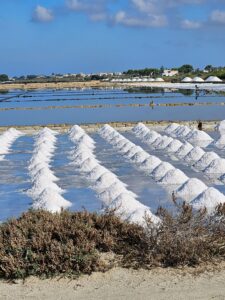
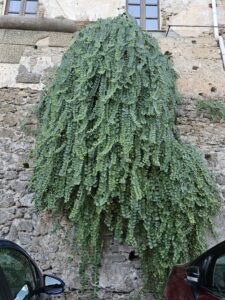
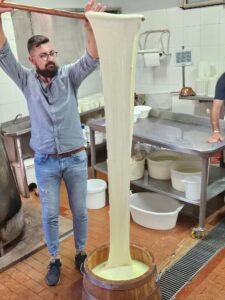
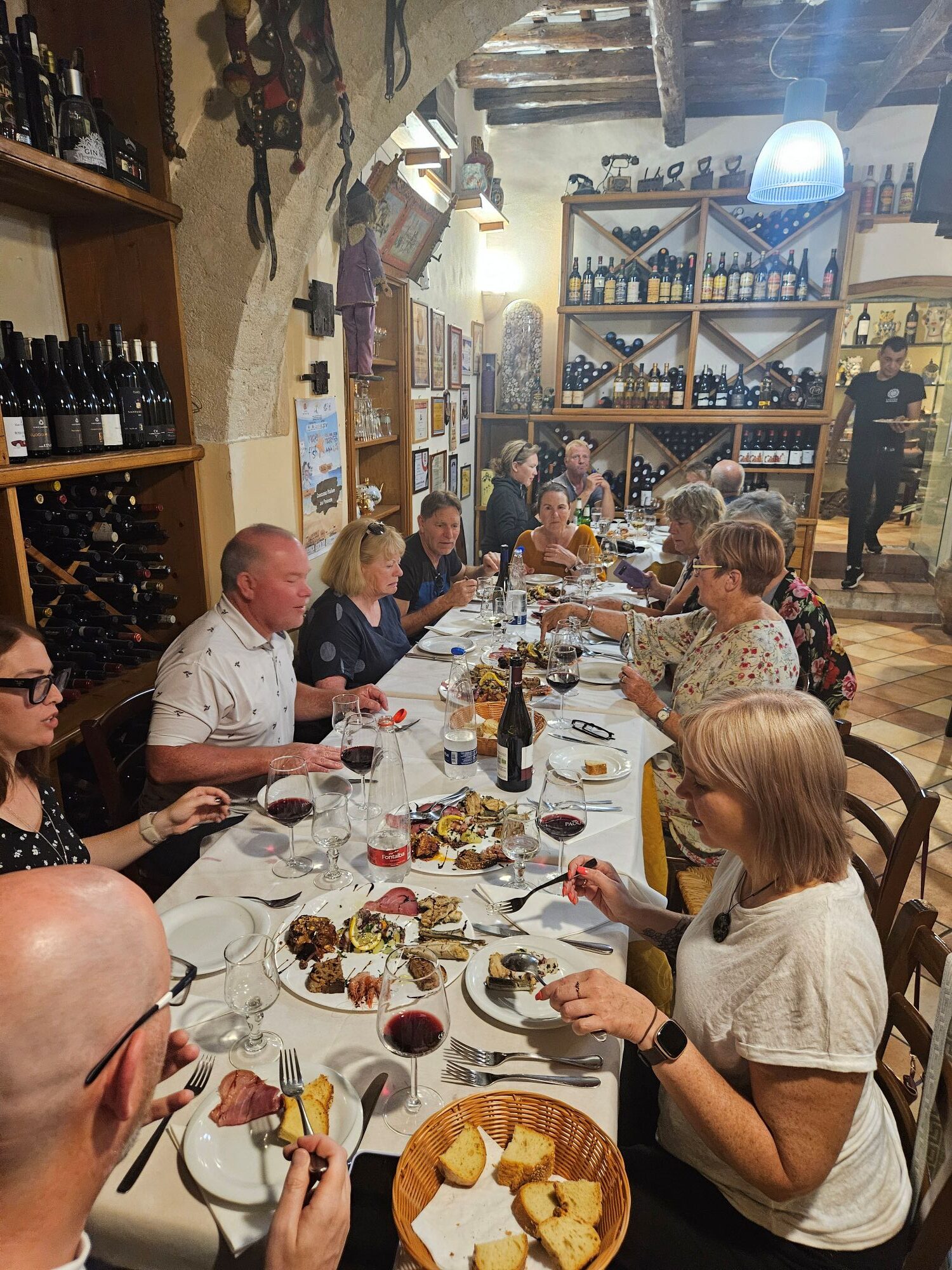
On our Taste of Sicily tour we also see capers growing, see salt being made in the most ancient way, meet a local cheese maker and discover the wonderful world of Sicilian Wines