From grape varieties introduced by the ancient Greeks to a wine invented by a sophisticated English merchant, sophisticated and complex mineral drops to full-bodied, fruit-rich varieties, welcome to the wonderful world of Sicilian wine.
Sicily is the largest wine producing region in Italy – boasting an impressive 98,000 hectares of vineyards spanning several different terroirs, from ashy, volcanic terrain to clay and limestone.
But before we pour ourselves a glass a little history lesson.
The tradition of winemaking in Sicily is thousands of years old, and it is thought grapevines would have grown naturally on the island. The origins can though, most certainly be traced back (4000BC), to when the Phoenicians arrived and brought not only grapevines but also the technical knowledge of wine production.
The Ancient Romans learned from the Greeks, preserving the tradition, and admiring Sicilian wines, renowned for their very high quality. During the Byzantine Era, the industry continued to thrive, with monasteries playing a significant role in preserving the tradition, as was the case in other parts of Europe.
The industry shrank during Muslim occupation, but luckily did not vanish and was rejuvenated when the island was conquered by the Normans in the 11th century.
Sicily’s fertile land and temperature makes it a great spot to grow grapes. This, coupled with subsidies and various financial incentives saw Sicily become little more than a grape growing factory for Italian wines. Quantity over quality was rewarded but the price was a declining reputation for Sicilian wine.
Luckily in the last few decades there has been a change. New, young Sicilian wine makers are opting to go in a new direction, some by rediscovering their roots and celebrating some of the 70+ indigenous grape varieties.
The focus is now on quality, innovation and sustainability.
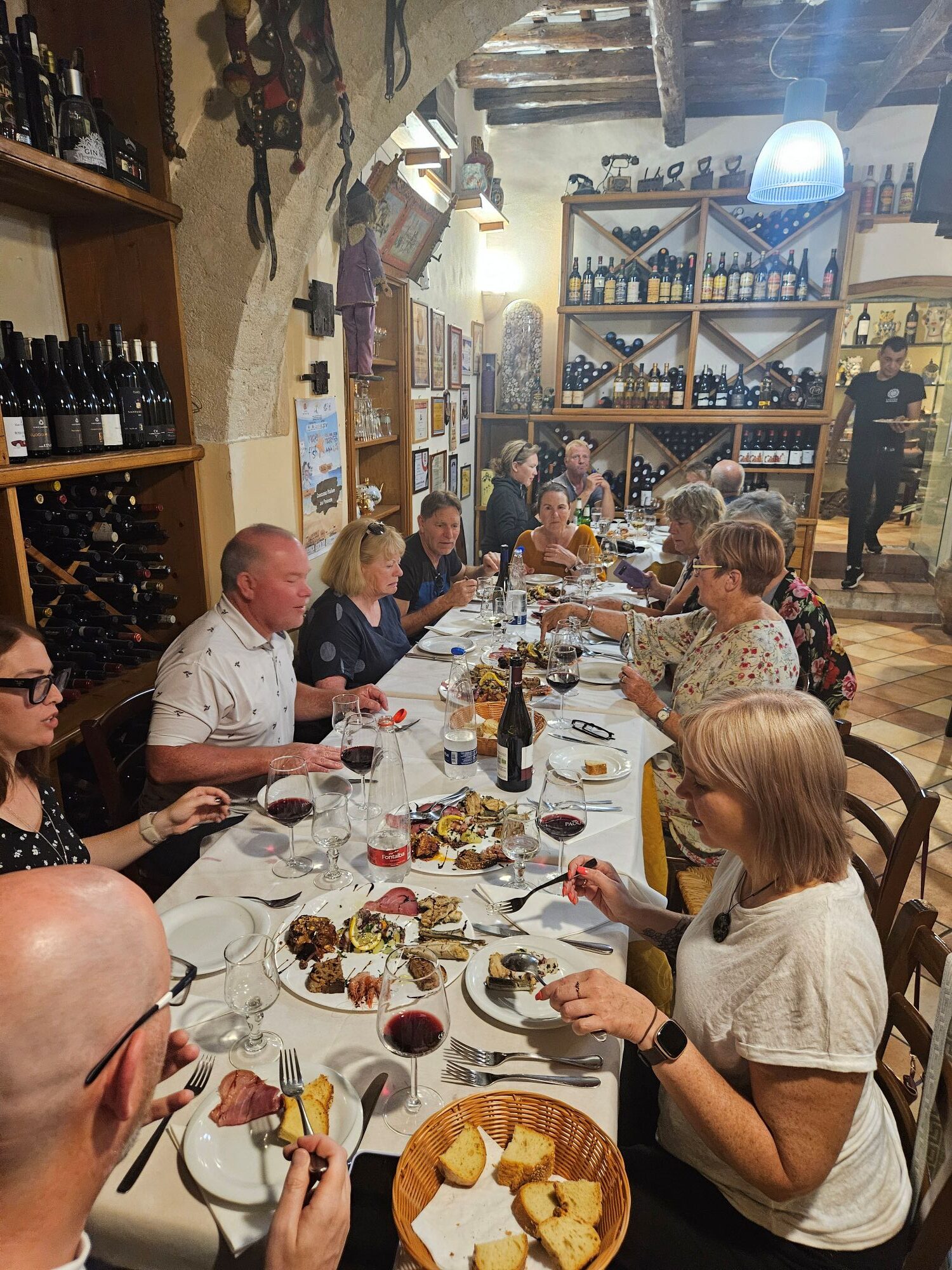
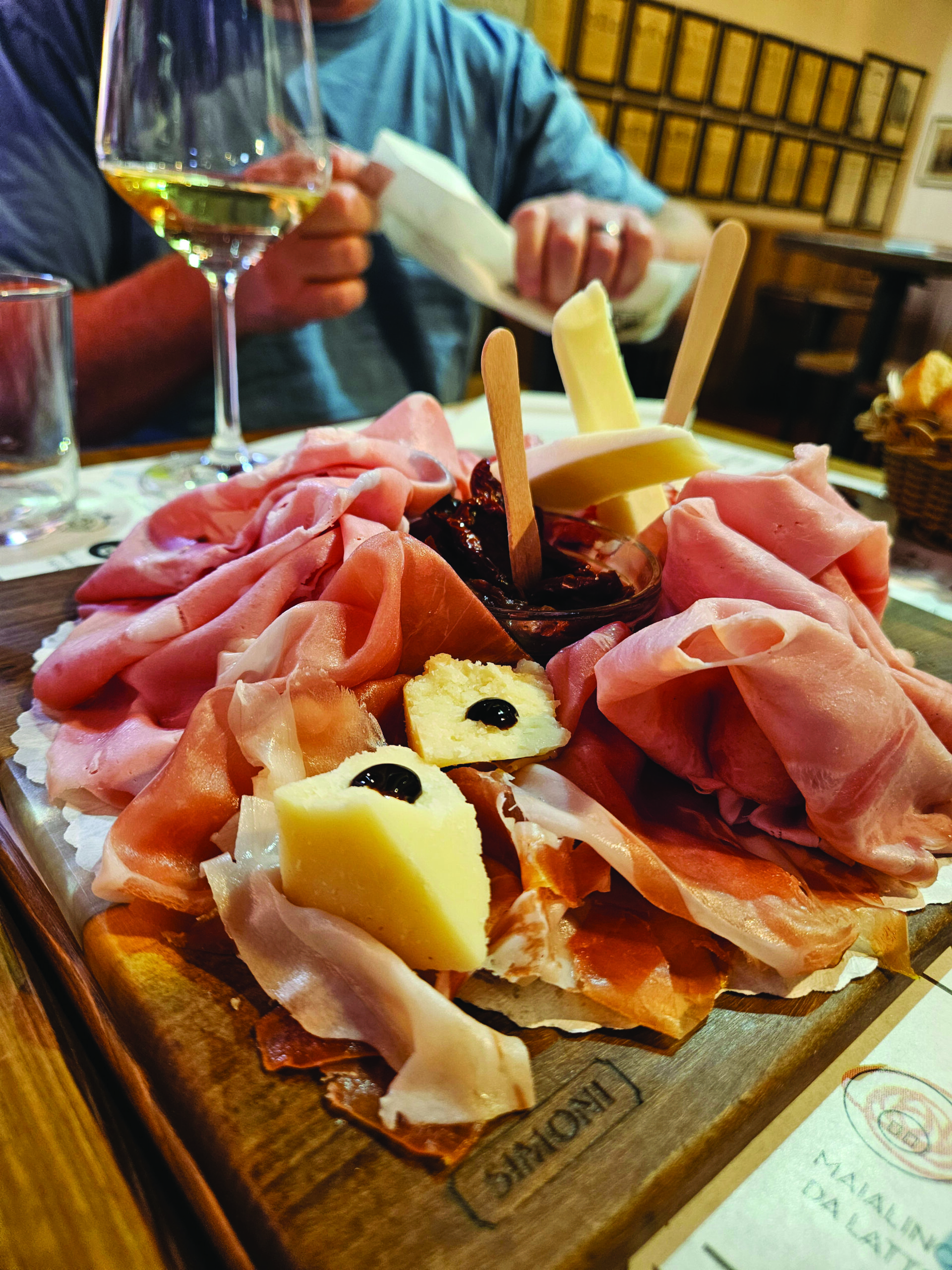
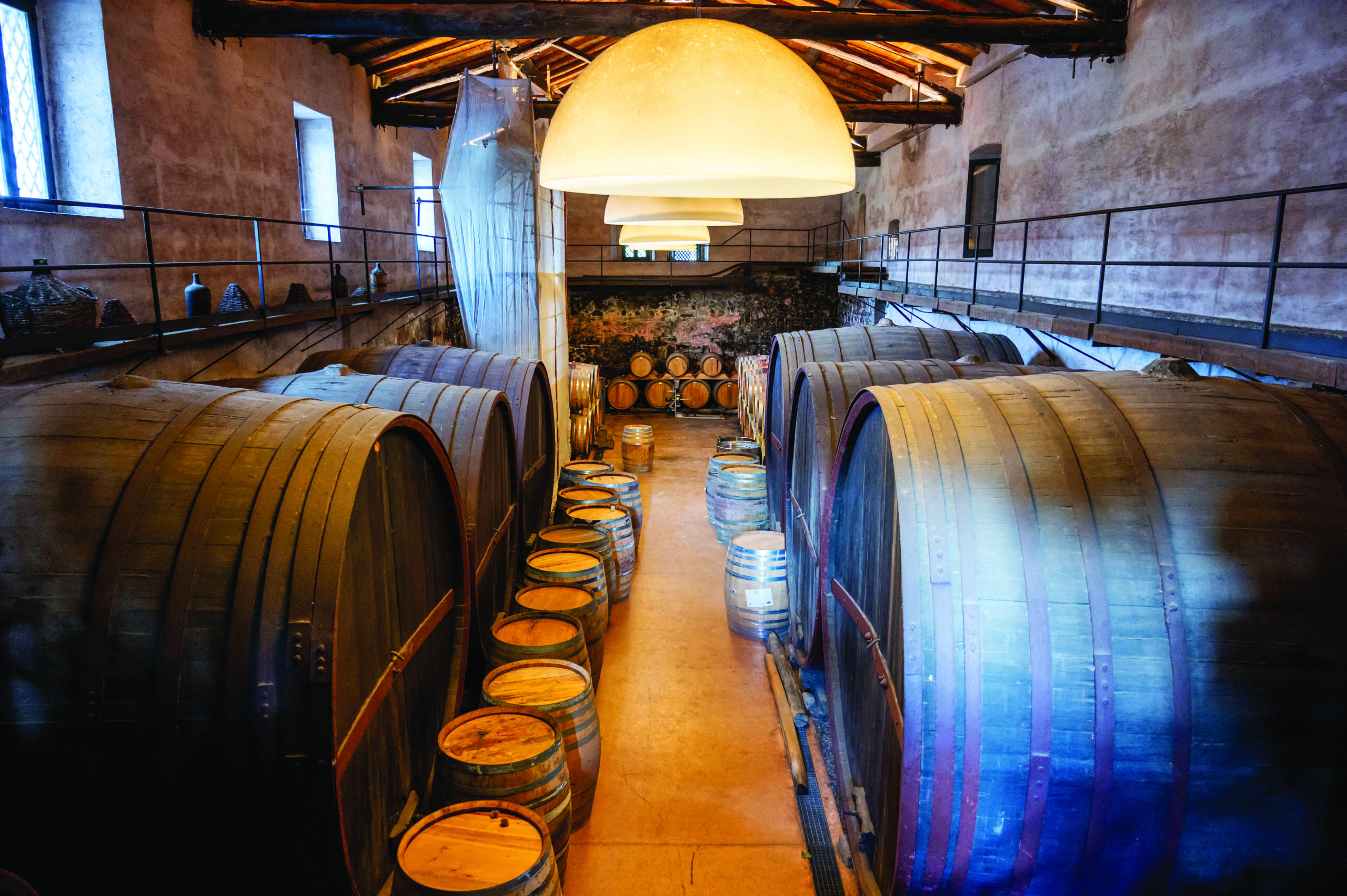
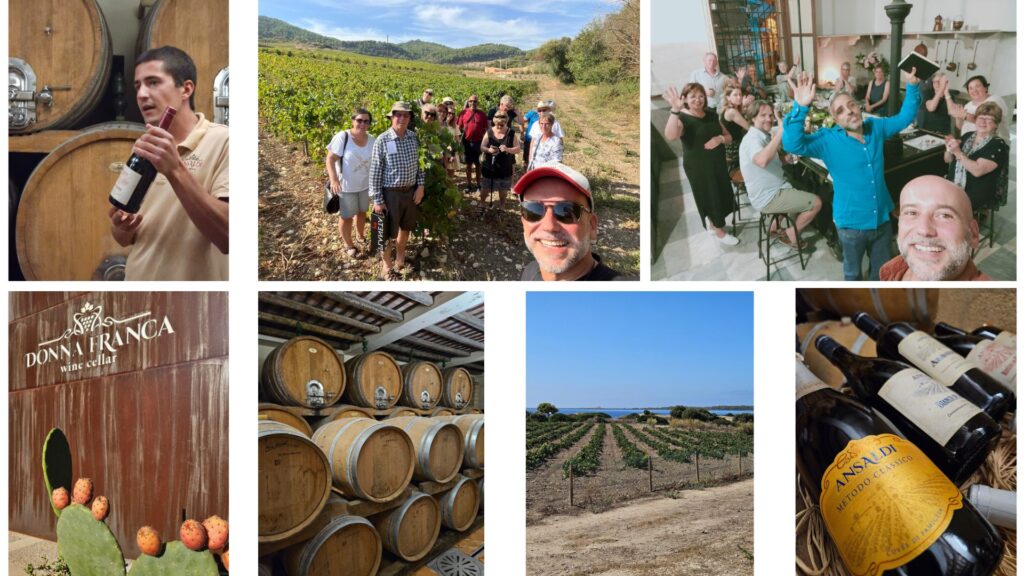
On our Taste of Sicily Tour, we visit a number of wineries, big and small. We learn about the history of wine making in Sicily as well as some of their unique varietals. We also discover how a return to some of their indigenous grapes and a focus on quality is helping with sustainability, i.e. no irrigation. Arid conditions reduce the chance of rot and mildew, especially in areas kissed with coastal breezes, which makes organic farming in Sicily a good choice.
Nero d’Avola
The signature Sicilian red, known for its intense black cherry aromas, spice, and robust tannins. It’s often compared to Cabernet Sauvignon and makes powerful single-varietal wines and blends. It is a thick-skinned grape that grows well in hot climates.
Perricone
A unique and rare grape that produces beautiful, full-bodied red wines. The grape variety was widespread in Sicily during the 1800s when it claimed around 34,000 hectares of vineyard space, but it had all but disappeared by the late 20th century. However, hard work, including the creation of new clones, has gradually led to its revival.
Perricone wines are often considered best before they are aged but develop a velvety taste over time.
Nerello Mascalese
A grape that thrives around Mount Etna’s volcanic soils and is featured in Etna Rosso DOC wines. These reds are light-bodied yet complex with red fruit, cinnamon, spices, and earthy minerality.
Frappato
Frappato is a red grape variety used to make light-bodied wines with distinctly fruity flavors and aromas. It is mainly cultivated in Sicily and is believed to be native to Syracuse and Ragusa. The fact that Frappato — or Frappato di Vittorio, if you want to be precise — is one of the ingredients in Cerasuolo di Vittoria (Sicily’s only DOCG wine ) makes it one of the most important grapes grown in Sicily.
Its grapes have a complex flavour profile that includes dried strawberry, deep pomegranate, olives, rosemary, white pepper, and clove, and is low in tannins. Frappato makes for gorgeous varietal wines, but becomes more complex when blended with Nero d’Avola, as seen in Frappato di Vittoria.
Catarratto
The most planted grape in Sicily often treated as a volume variety, with much of it sent to the mainland or exported as concentrated must.
The grape can make vibrant white wines with citrus, tropical fruits, and orange blossom aromas; it’s used in DOC wines like Etna Bianco and Marsala.
Carricante
A high-yielding white grape that plays a vital role in Sicily’s wine industry and grows best at higher elevations around Mount Etna. Its name comes from the Italian word “caricare,” which means to load or burden — because this vine is capable of producing shocking volumes of grapes.
Carricante is increasingly used to make varietal wines, but it is most famous for its role in Etna DOC wines, where the grape is blended with Catarratto and Minella Bianca. Wines produced with Carricante have a fresh fruity flavor with citrus and floral tones, and tend to be higher in acidity.
Grillo
Popular for its role in Marsala and makes wines with citrus, melon, peach, and floral notes; it can be light or full-bodied, dry or sweet.
Inzolia (also called Insolia)
This is one of Sicily’s oldest varieties and is mainly grown in the western part of Sicily. The grape is believed to have been cultivated on the island since the Phoenicians arrived before the common era. Historically, Inzolia is most well-known for its use in Marsala wines. That tradition has shifted in more recent times, and Inzolia is now more often blended with Catarratto to produce elegant summer wines. Varietal Inzolia wines may also be found, with excellent results.
This acidic white grape variety produces fruity, nutty wines with nutty and rocky notes. An Inzolia revival movement is in full swing, so connoisseurs may look forward to interesting tasting opportunities in the future.
Zibibbo
Zibibbo — or, as it is known in the rest of the world, Muscat of Alexandria — is an ancient vine that originated in North Africa, where the Ancient Egyptians used it to produce wine. The white grape, which thrives in hot climates, is used to make wines with unique flavours popular among connoisseurs. Expect orange, jasmine, peach, apricot, and almond tones.
Muscat of Alexandria is a popular grape grown wherever the climate allows, including Spain and Greece, but its growing conditions make Sicilian Zibibbo one of a kind. Passito wines, made with dried grapes, are often made with Zibibbo grapes, producing intense and well-balanced dessert wines.
Marsala DOC
Fortified wine made mainly from Grillo, Catarratto, and Inzolia, popular as a dessert wine or for cooking. Invented but
Sicilian wines offer incredible variety and a distinct Mediterranean character, with each type reflecting the island’s climate, soil, and winemaking traditions.
So, join us on our Taste of Sicily tour to not just learn about Sicilian wines but see them being made and to taste them! Remember wine is included on our tour, at lunch and dinner (and often in between).